
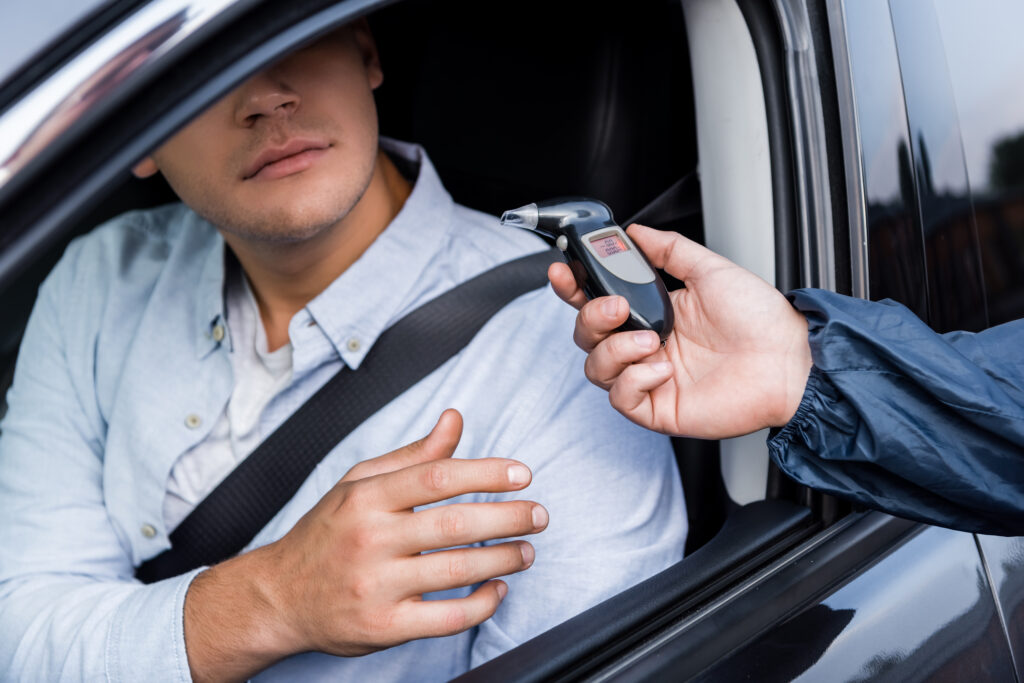
Being arrested for a second DUI in Tennessee is serious, but an arrest is not a conviction. Tennessee law imposes much harsher penalties for a second offense than for a first, including mandatory jail time, higher fines, and a longer license revocation. Before any of those penalties apply, however, the state must prove its case, and it must also prove that your prior record actually qualifies the new charge as a second offense.
At Herbert & Lux, our DUI defense attorneys represent people facing repeat DUI charges in Nashville, Goodlettsville, and throughout Middle Tennessee. We look closely at the evidence, the prior record, and every option available. Contact Herbert & Lux at (615) 878-5537 for a free case review.
What Counts as a Second DUI in Tennessee?
Tennessee uses a lookback period to decide whether a DUI is charged as a first, second, or later offense. Generally, if you have a prior DUI conviction within the past 10 years, the new charge can be treated as a second offense. In some situations, the lookback can extend further: when a person has another DUI conviction within the most recent 10-year window, earlier convictions may also count, up to 20 years back.
Prior DUI convictions from other states can also count.
Why the Date and Disposition of the First Case Matter
Whether your new charge is truly a second offense depends on the details of the prior case, including the date of the offense, the date of conviction, and how it was resolved. A prior case that was dismissed, reduced to a different offense, or falls outside the lookback period may not count. The prosecution must prove a qualifying prior conviction, so the record should be confirmed rather than assumed.
What Are the Penalties for a Second DUI?
A second DUI conviction in Tennessee generally carries a minimum of 45 days in jail and up to 11 months and 29 days, along with a fine of $600 to $3,500. The law also requires a two-year driver’s license revocation. If the prior DUI occurred within five years, the vehicle used in the offense may be subject to seizure and forfeiture. After the mandatory minimum jail time is served, a judge may suspend the rest of the sentence and place the person on probation with conditions.
License Revocation and Ignition Interlock Rules
Court punishment and driver’s license consequences are separate. The two-year revocation follows a second conviction, and Tennessee generally requires an ignition interlock device as a condition of reinstatement or restricted driving. A restricted license may be available during the revocation period in some cases, typically with an interlock installed.
Refusing a chemical test can also lead to a separate license consequence under Tennessee’s implied consent law.
Alcohol or Drug Treatment Requirements
For a second DUI conviction, Tennessee requires an alcohol and drug assessment. If probation is granted, the court will generally require you to complete any treatment or rehabilitation the assessment recommends. Depending on the facts, treatment may be outpatient or residential. These requirements are part of the sentence, and their scope depends on the assessment and the court’s order.
What Happens After a Second DUI Arrest?
After an arrest, you’ll typically be booked and released on bond, often with conditions such as no alcohol, monitoring, or an interlock requirement. Your first court date is usually an arraignment, where the charges are formally presented. Your attorney then obtains and reviews the evidence, including police reports, test results, and video.
Motions may be filed to challenge the stop, the arrest, or the test results. Many cases move into negotiation with the prosecutor, while others proceed to a preliminary hearing or trial. Each stage can affect the outcome, so early preparation matters.
What Evidence Can Be Challenged?
DUI cases depend on evidence that can often be examined closely, including:
- The traffic stop: Officers need reasonable suspicion to pull you over, and evidence from an unlawful stop may be suppressed.
- Officer observations: Claims about driving behavior, odor, speech, or appearance can be compared against video and other evidence.
- Field sobriety tests: These tests must be properly instructed and scored, and medical conditions, footwear, or road conditions can affect performance. Our page on sobriety test issues explains common problems.
- Breath and blood testing: Results depend on proper procedures, timing, and handling.
- Machine records: Breath testing devices require maintenance and calibration, and records may reveal problems.
- Warrants: Blood draws and other searches must be properly authorized.
- Video: Dashcam and body camera footage may confirm or contradict the officer’s account.
Common Defense Issues in a Second DUI Case
Every case is different, but potential defense issues include:
- Suppression of evidence: Evidence from an unlawful stop or arrest may be excluded.
- Unreliable testing: Breath or blood results may be challenged based on procedures, equipment, or handling.
- Rising blood alcohol: Alcohol concentration may have been rising after driving rather than at the time of driving.
- Medical conditions: Conditions such as diabetes or acid reflux may affect breath results or be mistaken for impairment.
- Actual physical control: When a person wasn’t actually driving, whether they were in control of the vehicle may be contested.
- Proof of the prior conviction: In a second offense case, the state must prove the prior conviction qualifies.
Which defenses apply depends on the specific facts.
How a Second DUI Can Affect Work and Daily Life
A second DUI can affect much more than a court sentence. A two-year revocation can make it difficult to get to work, school, or appointments, especially in areas with limited public transportation. An interlock device adds cost and inconvenience. Insurance rates often rise significantly, and employers who require driving may be affected. Professional license holders and commercial drivers can face additional consequences, including the loss of commercial driving privileges.
These effects vary by person, which is why they should be part of any defense strategy.
What to Do Now if You Were Arrested for a Second DUI
If you’ve been arrested for a second DUI:
- Preserve your paperwork: Keep your citation, bond papers, and any documents about your license or testing.
- Write down what happened: Record details about the stop, the tests, and your interactions with officers while your memory is fresh.
- Identify potential video: Note any businesses or homes nearby that may have cameras.
- Avoid discussing the facts publicly: Don’t post about the arrest on social media or discuss details with anyone but your attorney.
- Follow bond conditions and meet every deadline: Missing a court date or violating bond can create new problems.
- Contact Herbert & Lux: Call (615) 878-5537 for case-specific advice before making decisions about your case.
Talk With Herbert & Lux About a Tennessee DUI Charge
At Herbert & Lux, we believe every client deserves personal attention and relentless advocacy. Attorneys Eddie Herbert and Ron Lux bring experience from both sides of the courtroom and hundreds of hours of trial experience to clients facing DUI charges in Nashville and the surrounding area. Each client is also assigned a specialized paralegal, so you’ll always have someone keeping track of your case.
Clients often tell us they appreciate our honesty about their options rather than false hope. If you’re facing a second DUI charge, or a more serious third DUI charge, we’ll review the evidence, confirm whether your prior record qualifies, and explain every option. No outcome can be guaranteed, but early action can make a difference.
Contact Herbert & Lux at (615) 878-5537 for a free case review.
Frequently Asked Questions
Is a second DUI always a mandatory jail case in Tennessee?
Yes. If you’re convicted of a second DUI within the lookback period, Tennessee law requires a minimum of 45 days in jail. Courts may allow work release or treatment options in some cases, but the outcome depends on the facts and whether the charge results in a second-offense conviction.
Can I drive while my second DUI case is pending?
It depends. A test refusal can trigger a separate implied consent revocation, and bond conditions may restrict driving or require an interlock. The two-year revocation for a second DUI generally applies after a conviction. Check your paperwork and speak with an attorney about your specific situation.
Can a second DUI charge be reduced or dismissed?
Sometimes. If evidence is suppressed, the testing is unreliable, or the prior conviction doesn’t qualify, the charge may be reduced, dismissed, or tried as a first offense. Outcomes depend on the evidence and the posture of the case, so no result can be promised.