
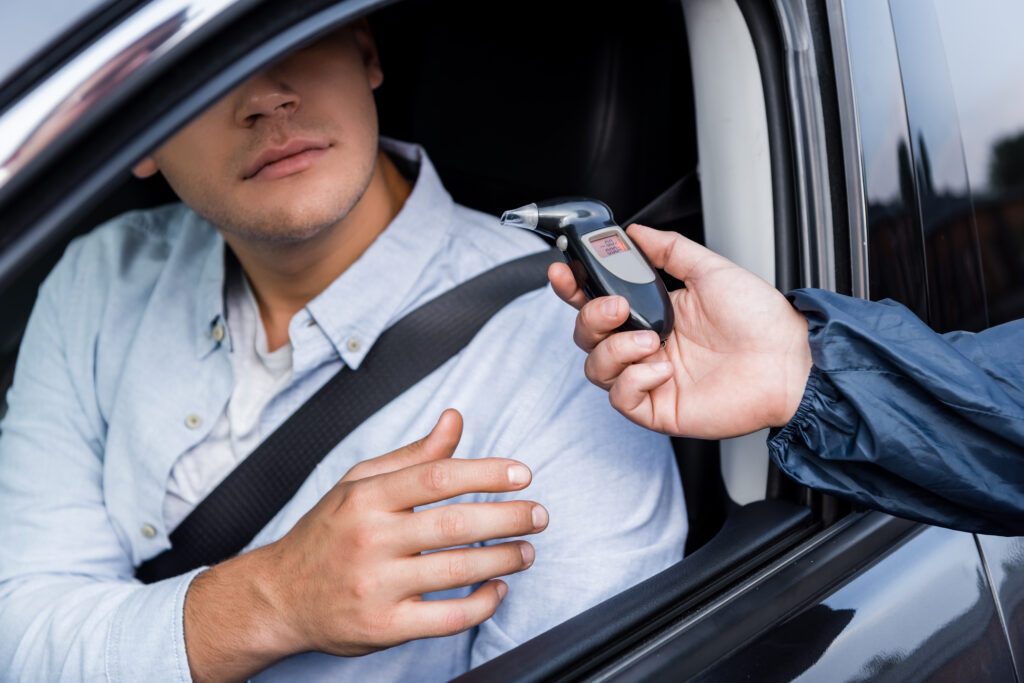
If you refused a breathalyzer during a Tennessee DUI stop and are now trying to figure out what comes next, here is the most important thing to understand: the consequences are real and they move fast, but refusal does not automatically mean a conviction, and the decisions you make in the next few days will significantly affect your outcome.
Tennessee has an implied consent law that carries its own penalties separate from any criminal DUI charge. Your license can be suspended administratively, independent of what happens in court. And yes, your refusal can be mentioned at trial. But none of that means the situation is hopeless. It means you need a Tennessee DUI lawyer involved immediately. Call Herbert & Lux at (615) 878-5537 for a free consultation today.
Can You Refuse a Breathalyzer in Tennessee?
What Tennessee's Implied Consent Law Means
Technically, yes, you can refuse. But there is a significant cost. Tennessee's implied consent law holds that by driving on state roads, you have already consented to chemical testing if lawfully arrested for DUI. Refusing that test does not eliminate the arrest or the charge. It triggers a separate set of administrative penalties that run alongside whatever happens in the criminal case.
The Difference Between Roadside Tests and Chemical Tests
Not all breath tests are the same under Tennessee law. The portable breathalyzer an officer may ask you to blow into at the roadside, before arrest, is a preliminary screening device. You can refuse that test without implied consent consequences. The chemical test that triggers implied consent penalties is the evidentiary breath or blood test administered after a lawful DUI arrest, typically at the police station or a medical facility.
What Officers Must Tell You Before Refusal
Tennessee law requires officers to inform you of the implied consent consequences before you refuse a chemical test. If the officer failed to properly advise you of those consequences, that procedural failure may be grounds to challenge the implied consent suspension. This is one of the first things an attorney will examine in your case.
What Happens Immediately After You Refuse a Breath Test?
License Confiscation and Temporary Driving Privileges
When you refuse a chemical test after a DUI arrest in Tennessee, the officer will typically confiscate your driver's license on the spot and issue you a temporary driving certificate. That certificate generally allows you to drive for a limited period while the administrative process moves forward.
Administrative License Suspension
The administrative license suspension process is separate from your criminal case and runs on its own timeline. The Tennessee Department of Safety handles the administrative side, and the suspension can take effect quickly if you do not take action to challenge it. This is not something to wait on.
What Happens at the DUI Stop
At the stop itself, your refusal will be documented in the officer's report. That report will follow you into both the administrative hearing and the criminal proceedings. Everything that happened at the stop, from the reason for the initial pull-over to how the officer communicated the implied consent warning, is potentially relevant to your defense.
What Are the Penalties for Refusing a Breathalyzer in Tennessee?
First-Offense Refusal Penalties
For a first-offense refusal in Tennessee, the implied consent violation carries a one-year license revocation. This is separate from and in addition to any DUI penalties you may face in the criminal case. A first-offense DUI conviction carries its own license suspension, meaning the two can stack depending on the outcome of your case.
Second and Repeat Refusal Consequences
If you have a prior DUI conviction or a prior implied consent violation within the look-back period, the penalties escalate significantly. A second DUI charge involving refusal can result in a two-year license revocation. For multiple DUI offenders, the consequences compound and the administrative and criminal penalties become increasingly severe.
When Refusal Leads to Longer Suspensions
Certain aggravating factors can extend the suspension period beyond the baseline. If the stop involved an accident with injuries, a minor passenger, or a commercial vehicle, the consequences of refusal are heightened. An attorney can assess the specific factors in your case and advise on the full scope of what you are facing.
Can Refusing a Breathalyzer Help or Hurt Your DUI Case?
This is the question most people want answered immediately, and the honest answer is: it depends. Refusal is not automatically good or bad for your defense. What matters is the specific facts of your stop, what other evidence the prosecution has, and how quickly you get legal representation involved.
Can Refusal Be Used Against You in Court?
Yes. In Tennessee, a prosecutor can tell the jury that you refused a chemical test and argue that your refusal suggests consciousness of guilt. The jury can consider that refusal as evidence alongside everything else presented. This does not mean conviction is inevitable, but it is a tool prosecutors use and one your attorney will need to address directly in building your defense strategy.
Why Prosecutors Often Mention Refusal
Prosecutors bring up refusal because it can create an inference in the jury's mind that you knew you were impaired and did not want the test to confirm it. It is a narrative, not proof. An experienced defense attorney can challenge that narrative, provide alternative explanations, and contextualize the refusal in a way that neutralizes its impact.
Situations Where Refusal May Still Help the Defense
In some cases, refusal eliminates the most damaging piece of evidence the prosecution would have had: a BAC reading above the legal limit. If the stop was based on questionable probable cause, if sobriety tests were improperly administered, or if the evidence of impairment is otherwise weak, the absence of a chemical test result can leave prosecutors with a thinner case. Whether refusal helped or hurt your specific situation is a strategic analysis that requires reviewing everything that happened during the stop.
If you are trying to make that assessment on your own right now, stop and call an attorney instead. The strategic picture is clearer with legal counsel. Contact Herbert & Lux at (615) 878-5537 for a free DUI consultation.
Will You Automatically Lose Your License for Refusal?
Implied Consent Suspensions Explained
The administrative suspension triggered by a refusal is not automatic in the sense that it cannot be challenged. You have the right to request a hearing to contest the implied consent suspension. If you do not request that hearing within the applicable deadline, however, the suspension will go into effect without any opportunity for review. That deadline is short, and missing it forfeits your chance to fight the suspension administratively.
Restricted License Eligibility
Depending on your prior record and the circumstances of your case, you may be eligible for a restricted license that allows driving for essential purposes such as work, school, and medical appointments during the suspension period. Eligibility requirements and the process for obtaining a restricted license are things an attorney can advise on quickly.
How Long Suspension Periods Last
A first-offense implied consent refusal suspension lasts one year. Subsequent offenses carry two-year suspensions. These periods are for the implied consent violation alone. If you are also convicted of DUI, additional suspension periods may apply and the combined effect on your driving privileges can be substantial.
Should You Fight an Implied Consent Violation?
Why Paying or Accepting Penalties Too Quickly Can Be a Mistake
Many people assume the implied consent suspension is a minor administrative matter and pay or accept the penalties without fighting them. That decision can have consequences that extend well beyond the immediate suspension. An implied consent violation creates a record that affects future cases, insurance rates, and in some circumstances professional licensing. Fighting it is worth examining seriously before accepting it.
Possible Defenses to Refusal Allegations
Defenses to an implied consent violation may include challenging the lawfulness of the underlying arrest, arguing that the officer failed to properly advise you of the consequences before you refused, questioning whether your response actually constituted a legal refusal, or demonstrating that you were physically unable to complete the test due to a medical condition. Each of these requires evidence and legal argument, but they are real defenses that trained attorneys pursue.
When an Attorney Can Challenge the Stop
If the officer lacked reasonable suspicion to pull you over in the first place, or lacked probable cause to arrest you for DUI, the lawfulness of the stop is itself a defense. An unlawful stop can result in suppression of evidence and in some cases dismissal of both the criminal charge and the implied consent violation. This is one of the most important reasons to have an attorney review what happened before accepting any result.
How a Tennessee DUI Lawyer Can Help After Breathalyzer Refusal
Protecting your driving privileges: An attorney can immediately evaluate whether to request an implied consent hearing and, if so, how to pursue it effectively to protect your ability to drive.
Challenging implied consent penalties: Your attorney will review the stop, the arrest, and the implied consent advisement for procedural defects and factual issues that can be used to challenge the suspension.
Building a DUI defense strategy immediately: The criminal DUI charge and the administrative implied consent case require simultaneous attention. Waiting on one while dealing with the other can result in missed deadlines and lost options.
Handling administrative and criminal proceedings simultaneously: Herbert & Lux manages both tracks of your case from the start so nothing falls through the cracks and your rights are protected at every stage.
Frequently Asked Questions About Refusing a Breathalyzer in Tennessee
What happens if you refuse a breathalyzer in Tennessee?
Refusing triggers an implied consent violation separate from your DUI charge. For a first offense, your license can be suspended for one year administratively. The refusal can also be mentioned at trial as evidence the prosecution may use against you.
Can refusal be used against you in a Tennessee DUI case?
Yes. Tennessee law allows prosecutors to inform the jury of your refusal. Jurors can consider it alongside other evidence in deciding whether you were impaired. An attorney can help contextualize and counter this at trial.
Will refusing a breath test stop a DUI charge?
No. Officers can arrest you for DUI based on other observations including driving behavior, field sobriety test performance, and physical signs of impairment. Refusal eliminates one piece of evidence but does not prevent a charge.
What is the deadline to request an implied consent hearing in Tennessee?
The deadline is short and must be acted on quickly to preserve your right to contest the suspension. An attorney can identify the applicable deadline in your case and file the request immediately.
Can a first-time offender avoid license suspension after refusing?
Potentially, depending on the circumstances. A successful challenge to the implied consent violation or the underlying stop can affect the suspension outcome. This is exactly the analysis an attorney performs at the beginning of your case.
Call Herbert & Lux: Tennessee DUI Attorneys Ready to Protect Your License
Tennessee DUI cases move quickly and the window to protect your driving privileges is narrow. If you refused a breathalyzer and are now dealing with the uncertainty of what comes next, Herbert & Lux is ready to step in and take over the fight.
Our DUI defense team handles both the administrative and criminal sides of your case from day one, giving you experienced representation at every stage. The consultation is free and there is no obligation. Contact us today (615) 878-5537 to get started by scheduling your free consultation.