
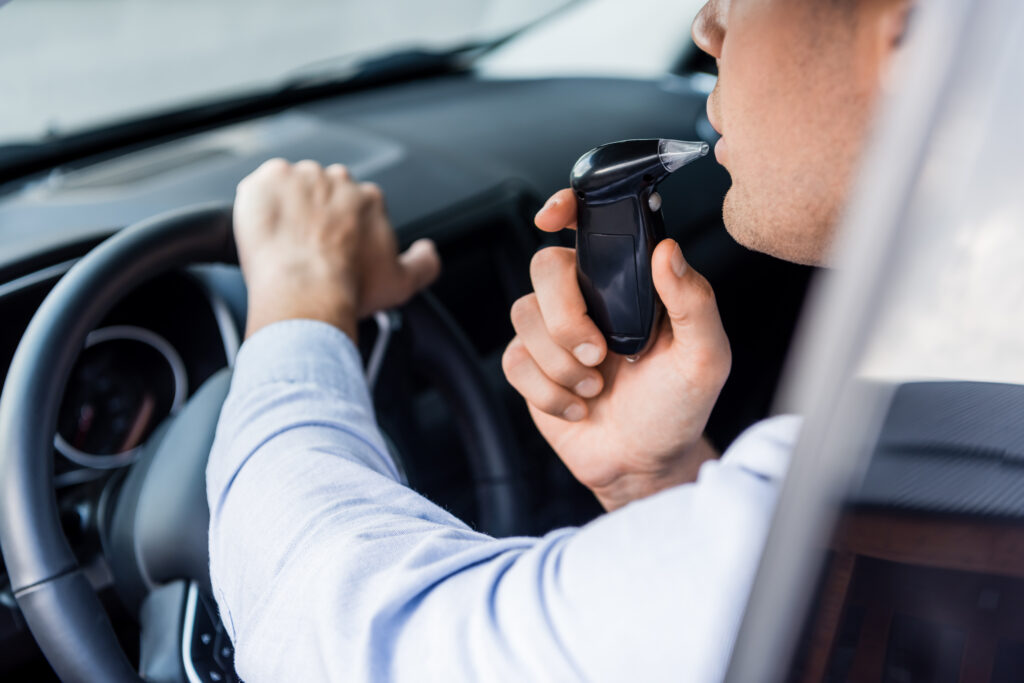
Yes. A negative breath or blood test does not automatically result in the dismissal of DUI charges in Tennessee.
Prosecutors can and do pursue DUI convictions based on officer observations, field sobriety tests, video footage, witness testimony, and evidence of drug impairment even when chemical testing shows no alcohol or a BAC below the legal limit.
If you were arrested for DUI after passing a breathalyzer or receiving a negative blood test result, understanding how Tennessee law works is the first step toward building your defense.
Herbert & Lux represents individuals facing DUI charges throughout Tennessee.
If you believe you have been falsely charged even after proving you were not knowingly intoxicated after a negative DUI test, call us at (615) 878-5537 to schedule a DUI consultation below.
Yes, A Negative Breath or Blood Test Does Not Automatically Dismiss a DUI Charge
Tennessee Code Annotated § 55-10-401 broadly defines DUI.
The statute prohibits driving while under the influence of any intoxicant, marijuana, controlled substance, controlled substance analog, drug, substance, or combination of those things that impairs the driver's ability to safely operate a vehicle.
Alcohol is only one of the intoxicants covered by the statute, and the 0.08% BAC threshold is only one of the ways the state can prove impairment.
How Tennessee DUI Law Allows Charges Without a Positive Chemical Test
Because Tennessee's DUI statute focuses on actual impairment rather than a specific BAC number, prosecutors do not need a positive chemical test to proceed.
They need evidence that the driver's ability to safely operate a vehicle was impaired at the time of the stop.
Officer observations, field sobriety test results, video footage, and other circumstantial evidence can all support a prosecution even when the breathalyzer says zero.
A negative test makes the case harder to prove, but it does not automatically dismiss the charge.
Why Would Police Arrest Someone Who Passed a Breathalyzer?
Officers are trained to evaluate impairment through multiple channels, and a breathalyzer tests only for alcohol.
When an officer observes what they believe are signs of impairment but the breath test is negative, they may pursue an arrest based on their own observations and field sobriety test results.
Officer Observations and Probable Cause
Probable cause for a DUI arrest can be established based on what the officer observed before and during the stop, including the manner of driving; the driver's appearance, behavior, and speech; the smell inside the vehicle; physical signs such as bloodshot eyes or unsteady movement; and the driver's responses to questioning.
These observations are subjective; they can be mistaken and effectively challenged with the right defense strategy.
But they can also support an arrest and a prosecution even when the breath test comes back clean.
Field Sobriety Tests and Roadside Investigations
Field sobriety tests are standardized roadside assessments designed to detect impairment.
The three tests recognized by the National Highway Traffic Safety Administration, the horizontal gaze nystagmus test, the walk-and-turn, and the one-leg stand, are designed to measure divided attention and coordination.
Officers who observe negative test results but believe field sobriety performance indicates impairment may rely on those results to support an arrest.
Field sobriety tests are also highly susceptible to error. Medical conditions, fatigue, anxiety, weather conditions, footwear, road surface, and even the officer's administration technique can affect performance on these tests in ways unrelated to impairment.
Our experienced Tennessee DUI defense lawyer knows how to examine those factors and challenge the reliability of field sobriety evidence.
Can Prescription Drugs or Medication Lead to a DUI Charge?
Yes, and this is one of the most common scenarios in which someone is arrested for DUI despite a negative alcohol test.
Prescription medications, over-the-counter drugs, and controlled substances can all impair driving ability and can all form the basis of a DUI charge in Tennessee.
Drug Impairment Cases Often Involve Negative Alcohol Tests
When an officer suspects drug impairment rather than alcohol impairment, they may request a blood test that screens for controlled substances, call in a Drug Recognition Expert, or rely on their own observations of impairment signs consistent with drug use.
A blood test that comes back negative for alcohol may still show the presence of prescription medications, THC, or other substances that prosecutors argue caused impairment.
Tennessee has no established legal limit for most drugs the way it has a 0.08% limit for alcohol, which means the prosecution's case rests on whether the substance actually impaired the driver's ability to operate the vehicle safely.
That is a factual question that depends heavily on the quality of the evidence and the strength of the defense.
For drivers facing DUI drug charges, the absence of a clear legal threshold creates both challenges and opportunities for defense.
What If Your Blood Test Came Back Negative?
A negative blood test is powerful exculpatory evidence, but prosecutors may still pursue the case depending on what other evidence exists and what the blood test specifically screened for.
Why Prosecutors May Still Pursue a DUI Case
Blood tests screen for the substances included in the test panel.
If a substance that caused impairment was not included in the panel, or if metabolite levels were below detection thresholds, the test may not capture the full picture.
Prosecutors may also argue that impairment was caused by a combination of factors, that the substance cleared the system between the stop and the blood draw, or that the officer's observations and field sobriety evidence are sufficient to prove impairment independent of the blood test.
A negative blood test significantly undermines the prosecution's case, but it does not guarantee dismissal.
The question becomes what other evidence exists and whether it is strong enough to prove impairment beyond a reasonable doubt.
What Evidence Does the Prosecutor Use Besides Chemical Tests?
Without a positive chemical test, prosecutors build their cases from other available evidence, and there is often more of it than defendants realize.
Dash Camera Footage
Dash cameras in police vehicles record the traffic stop from the moment they are activated, and many record continuously.
This footage shows how the driver operated the vehicle before the stop, the driver's behavior and appearance during the interaction, and how the field sobriety tests were conducted.
Dash camera footage can support the prosecution, but it can also support the defense when it contradicts an officer's written account of the stop.
Witness Statements
Passengers, other drivers, bystanders, and in some cases restaurant or bar staff can all be called as witnesses.
Witness accounts of the driver's behavior, appearance, or statements before getting in the vehicle may be offered to establish impairment.
These witnesses can also be cross-examined, and their credibility and the conditions under which they observed can be challenged.
Driving Behavior
How the vehicle was being operated before the stop is often the starting point for the prosecution's impairment narrative.
Weaving, failure to maintain lane, delayed reaction to signals, unusual speed variations, and other driving patterns observed by the officer or captured on camera form part of the impairment picture prosecutors present.
Common Reasons Drivers Face "Sober DUI" Charges in Tennessee
Beyond drug impairment, several circumstances lead to DUI arrests and charges despite a genuine absence of impairment from any substance.
Medical Conditions Mistaken for Impairment
Diabetic episodes involving low blood sugar can cause confusion, slurred speech, and unsteady movement that mimic intoxication.
Neurological conditions, inner ear disorders affecting balance, fatigue, anxiety attacks, and reactions to medical procedures can all produce signs that officers interpret as impairment.
A driver experiencing a medical episode may perform poorly on field sobriety tests, show physical signs the officer documents as impairment, and be arrested before anyone recognizes what is actually happening.
These cases are defensible, but they require an attorney who investigates the full medical picture, not just the arrest paperwork.
For more context, our blog on sober DUI cases in Tennessee addresses how drivers with no substances in their system end up charged.
How Herbert & Lux Challenges Negative-Test DUI Cases
A DUI charge based on officer observations and field sobriety results, rather than a positive chemical test, is built on subjective evidence, which can be effectively challenged.
Examining Probable Cause and Challenging Officer Assumptions
The first question in any DUI case is whether the officer had reasonable suspicion to initiate the stop and probable cause to make the arrest.
If the stop was unlawful or if probable cause was lacking at the time of arrest, suppression of evidence obtained during the stop may be available, which can significantly weaken or eliminate the prosecution's case.
Beyond the stop itself, Herbert & Lux examines the officer's training and certification for field sobriety test administration, the specific conditions under which the tests were conducted, whether the tests were administered correctly according to NHTSA protocols, what medical or physical conditions may have affected performance, and whether the officer's written account is fully consistent with available video footage.
Our criminal defense approach in DUI cases that lack chemical evidence focuses on dismantling the prosecution's impairment narrative piece by piece, because each element of that narrative is a question of credibility and interpretation that a well-prepared defense can contest.
What Should You Do After Being Charged With a DUI Despite Testing Negative?
The steps taken immediately after a negative-test DUI arrest significantly affect the available defenses.
Steps to Protect Your Defense Immediately After Arrest
Do not attempt to explain or justify your behavior to law enforcement without an attorney present.
Statements made at the scene become part of the evidence record and are rarely helpful to the defense.
Write down everything you remember about the stop, the field sobriety tests, the testing process, and any medical conditions or medications that may be relevant.
Preserve any documentation of medical conditions or prescriptions. Then call Herbert & Lux.
Our Nashville criminal defense attorneys believe everybody deserves a second chance, and we work tirelessly to provide bold, dedicated advocacy regardless of how straightforward or complex your case may be.
With years of experience securing favorable outcomes for Tennesseans facing DUI charges, we know how to build a defense from the earliest stages of the case, before procedural opportunities are lost and before the prosecution has time to solidify its narrative.
Contact Herbert & Lux at (615) 878-5537 before your first court appearance to ensure the defense begins before any procedural opportunities are lost.
Understanding what happens after a DUI arrest in Tennessee can help you navigate the process with realistic expectations about timelines and options.
How does Herbert & Lux defend sober DUI cases?
We examine the lawfulness of the stop, challenge field sobriety test administration and results, investigate medical explanations for observed symptoms, scrutinize video evidence, and build a defense strategy specific to the facts of each case.
If you were charged with DUI in Tennessee after testing negative, contact Herbert & Lux at (615) 878-5537 to schedule a DUI consultation below.
A negative test is not the end of the fight. It is the beginning of the defense.
Frequently Asked Questions About Negative-Test DUI Charges
Can you be convicted without failing a breath test?
Yes. Tennessee DUI law allows conviction based on evidence of impairment from any intoxicant, and prosecutors can build a case from officer observations, field sobriety results, and other evidence without a positive breath test.
Should you hire a DUI lawyer if your test was negative?
Absolutely. A negative test makes the prosecution's case harder, but it does not automatically dismiss the charge.
An attorney can identify weaknesses in the evidence and pursue dismissal or reduction of charges.
Can you get a DUI without drinking?
Yes. Tennessee's DUI statute covers impairment from drugs, controlled substances, and prescription medications in addition to alcohol. A DUI charge does not require any alcohol consumption.
Can police arrest you after a negative breathalyzer?
Yes. If the officer has probable cause to believe you are impaired by something other than alcohol, a negative breathalyzer result does not prevent an arrest.
Can prescription medication cause a DUI?
Yes. Legally prescribed medications that impair driving ability can form the basis of a DUI charge in Tennessee regardless of whether the driver was following their prescription.
What if my blood test came back negative?
A negative blood test is strong exculpatory evidence but does not guarantee dismissal.
Prosecutors may still rely on other evidence, and the defense must actively pursue dismissal based on the full evidentiary picture.
Can a DUI be dismissed after a negative chemical test?
Yes, and it happens regularly when the remaining evidence is insufficient to prove impairment beyond a reasonable doubt.
An experienced DUI attorney evaluates every element of the prosecution's case and pursues dismissal when the evidence supports it.